

Services
Five practices, one method. Whatever the work is, it starts with what the business needs rather than what we would enjoy building.
We are not a development agency that also advises. We advise, and then we build what the advice concluded.
What we do
Each practice is staffed by senior engineers who have shipped that kind of system before.


What that looks like in practice
The capabilities behind the practices, and the ones clients most often did not know to ask for.
Deciding what to build
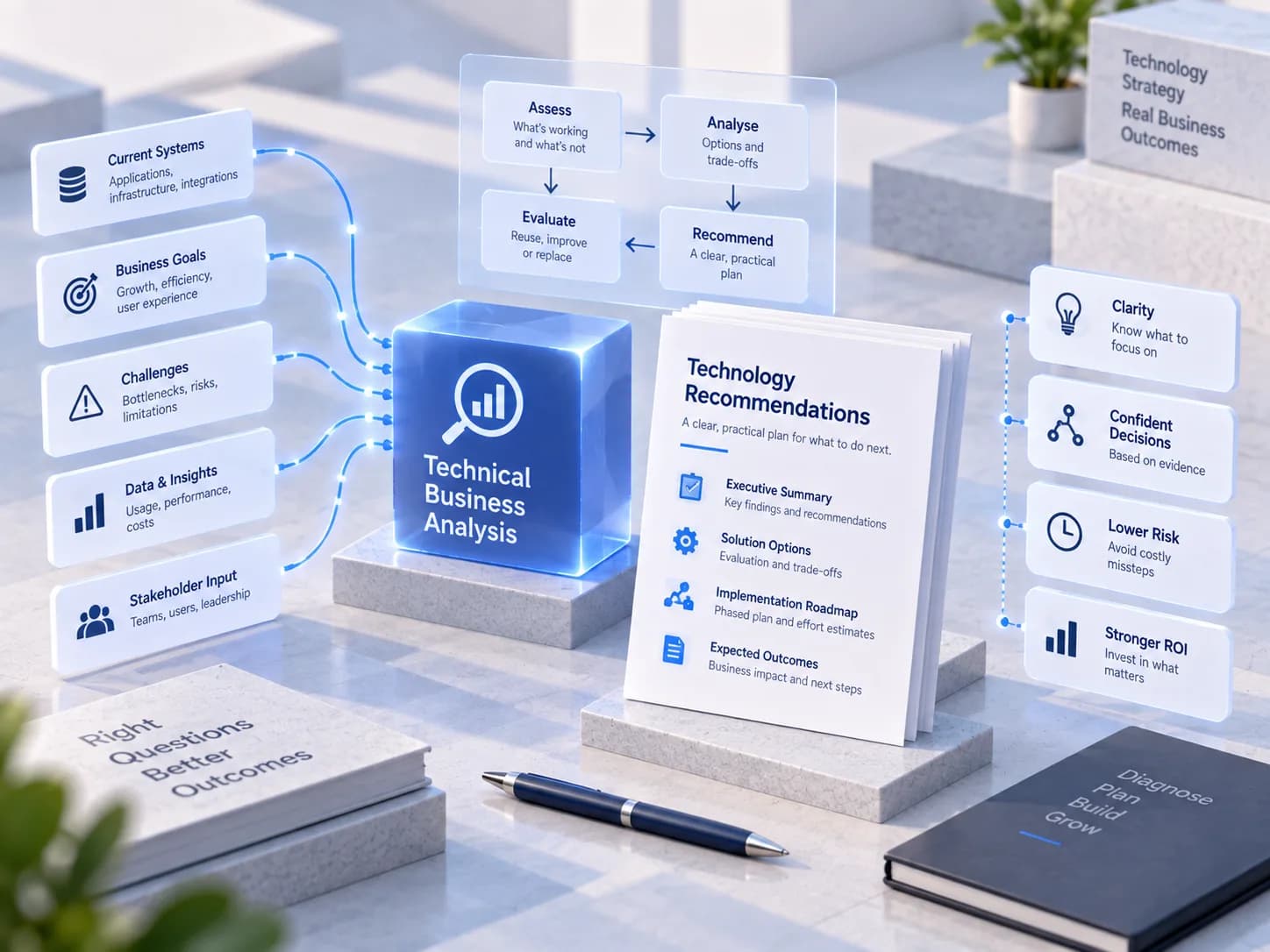
The part most firms skip. We run a diagnostic before proposing anything, and sometimes it concludes you should not build at all.

Product engineering
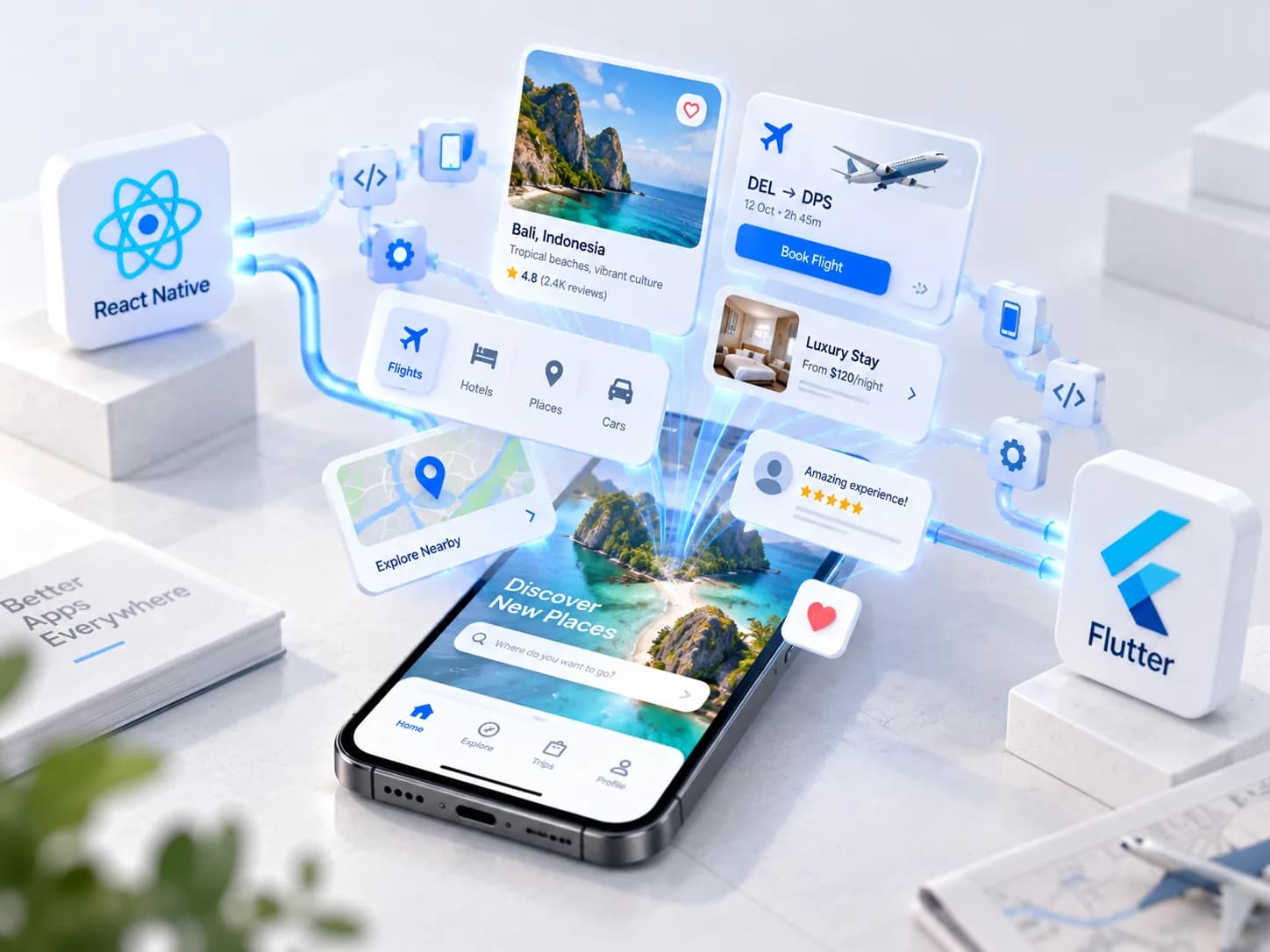
Web and mobile products, built in slices that go live as they are finished.
Integration
Making systems talk without copying data between them.
Data and reporting
Figures that reconcile, and that trace back to their source record.
Modernization
Retiring systems one slice at a time, with the old one still running.

Offline-first mobile
Applications that work a full shift with no coverage, then reconcile.
Platform and delivery
Pipelines, environments and the monitoring that makes them safe to change.
Security and compliance
Built in from the first commit, not audited in at the end.
What we build with
Chosen for what a system has to do and who has to run it afterwards, not for novelty.
Interface
- TypeScript
- React
- Next.js
- Angular
- React Native
- Flutter






Services
- Java
- Spring Boot
- Node.js
- Python
- Go
- GraphQL



Data
- PostgreSQL
- MySQL
- MongoDB
- Redis
- Kafka
- Snowflake






Cloud and platform
- AWS
- Azure
- Google Cloud
- Docker
- Kubernetes
- Terraform




AI
- OpenAI
- Anthropic
- Gemini
- LangChain
- PyTorch
- pgvector





Industries we work with
Engineering shaped by the realities of your industry.
Different industries carry different operational constraints, customer expectations, integration challenges, and levels of risk. We bring the engineering depth to understand that context first, then design technology around what the business actually needs.

Fintech & BFSI
Secure, reliable systems for businesses built on trust.
We build and modernize financial platforms, workflows, integrations, and customer-facing applications where reliability, data integrity, auditability, security, and performance are fundamental to the business.
Healthcare
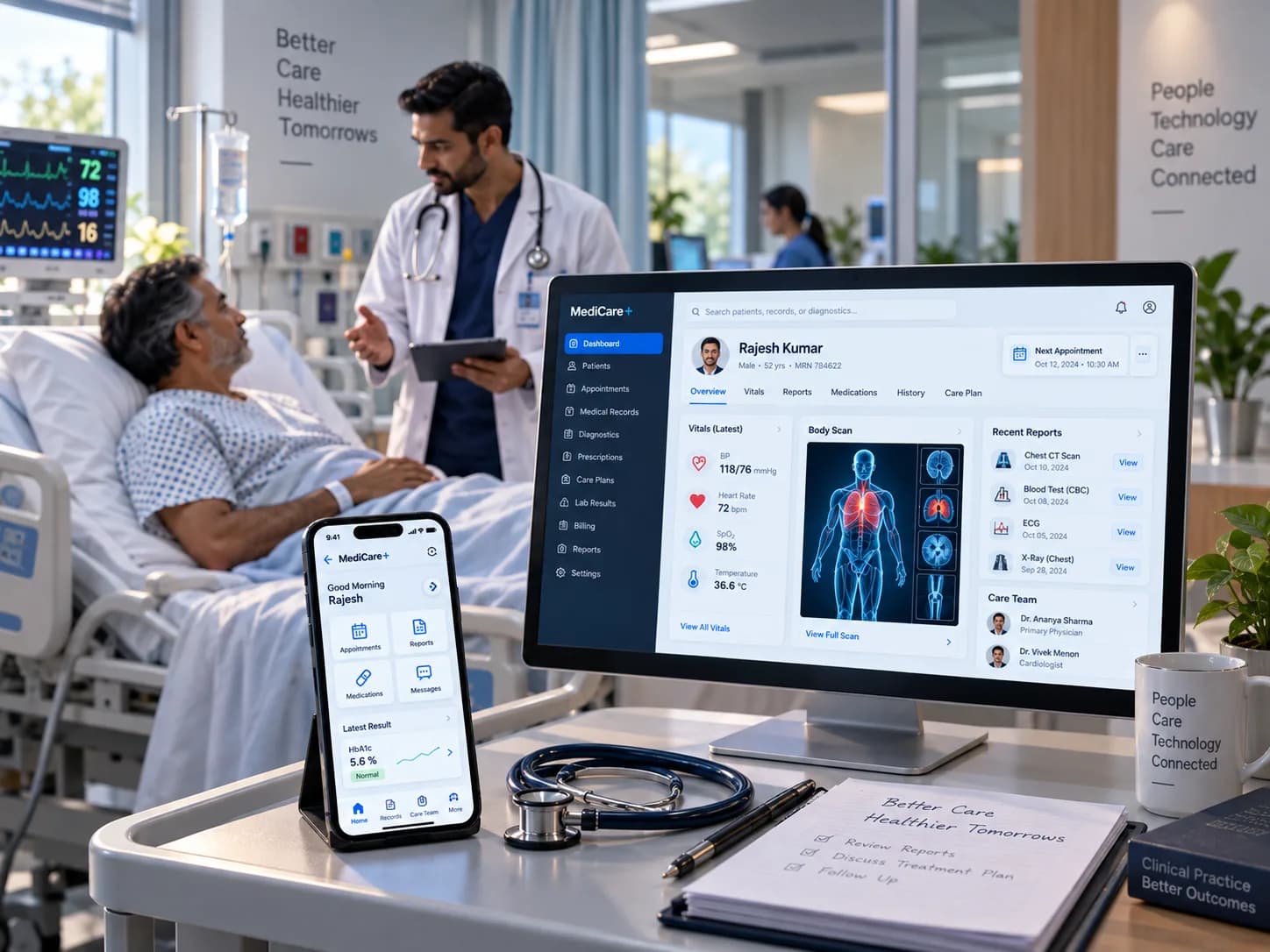
Technology that connects complex care and operational workflows.
We help build digital healthcare platforms, operational workflows, integrations, and data-driven applications designed around reliability, secure information handling, usability, and the realities of interconnected healthcare systems.
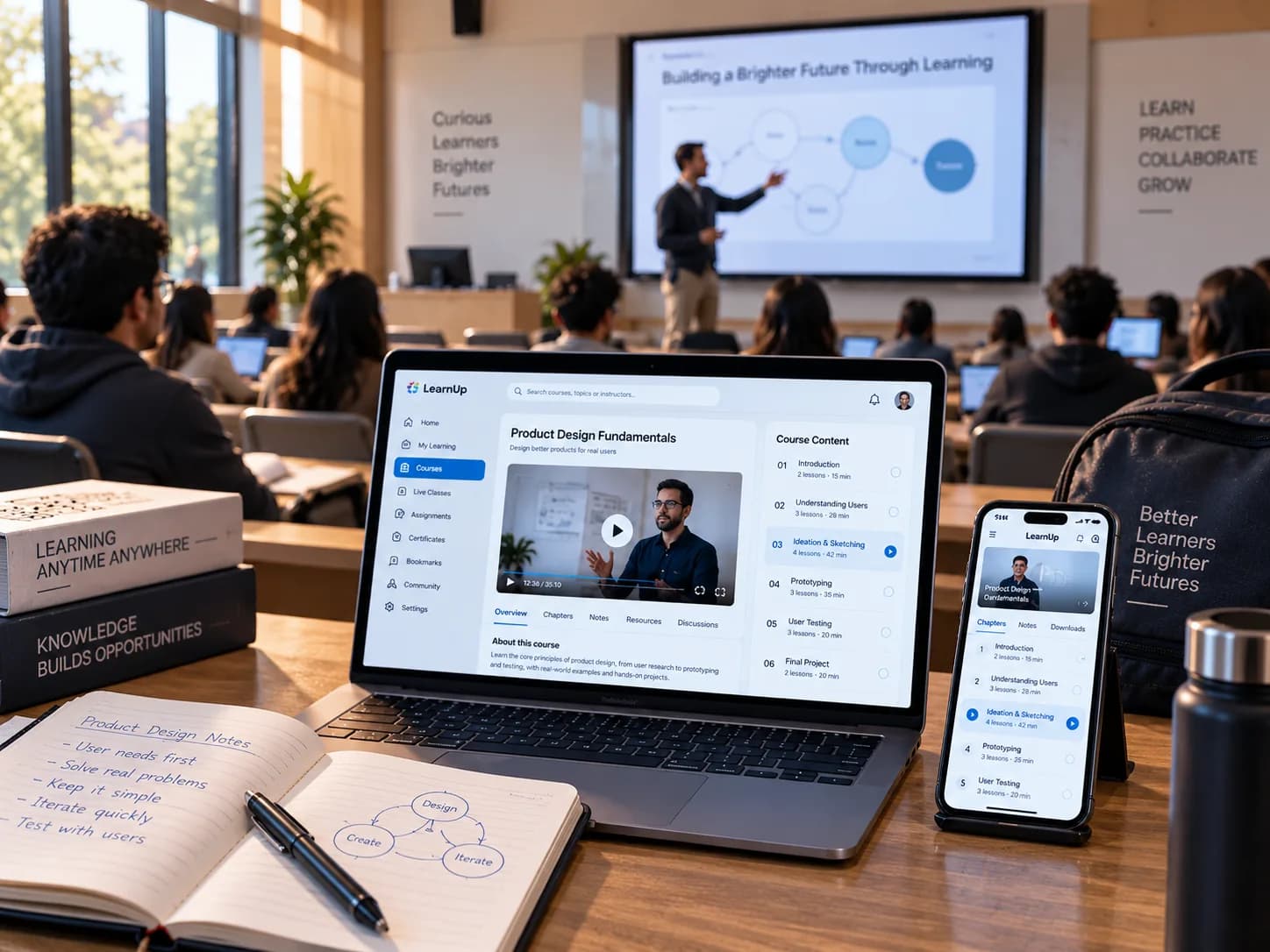
EdTech & eLearning
Learning platforms designed around engagement and scale.
From learner journeys and course delivery to assessments, administration, analytics, and integrations, we develop education platforms that make learning experiences easier to operate, evolve, and scale.

Food & Travel
Digital experiences that keep customers and operations moving.
We build customer journeys and operational platforms around ordering, booking, marketplaces, partner integrations, administration, and real-time workflows where experience and operational efficiency need to work together.
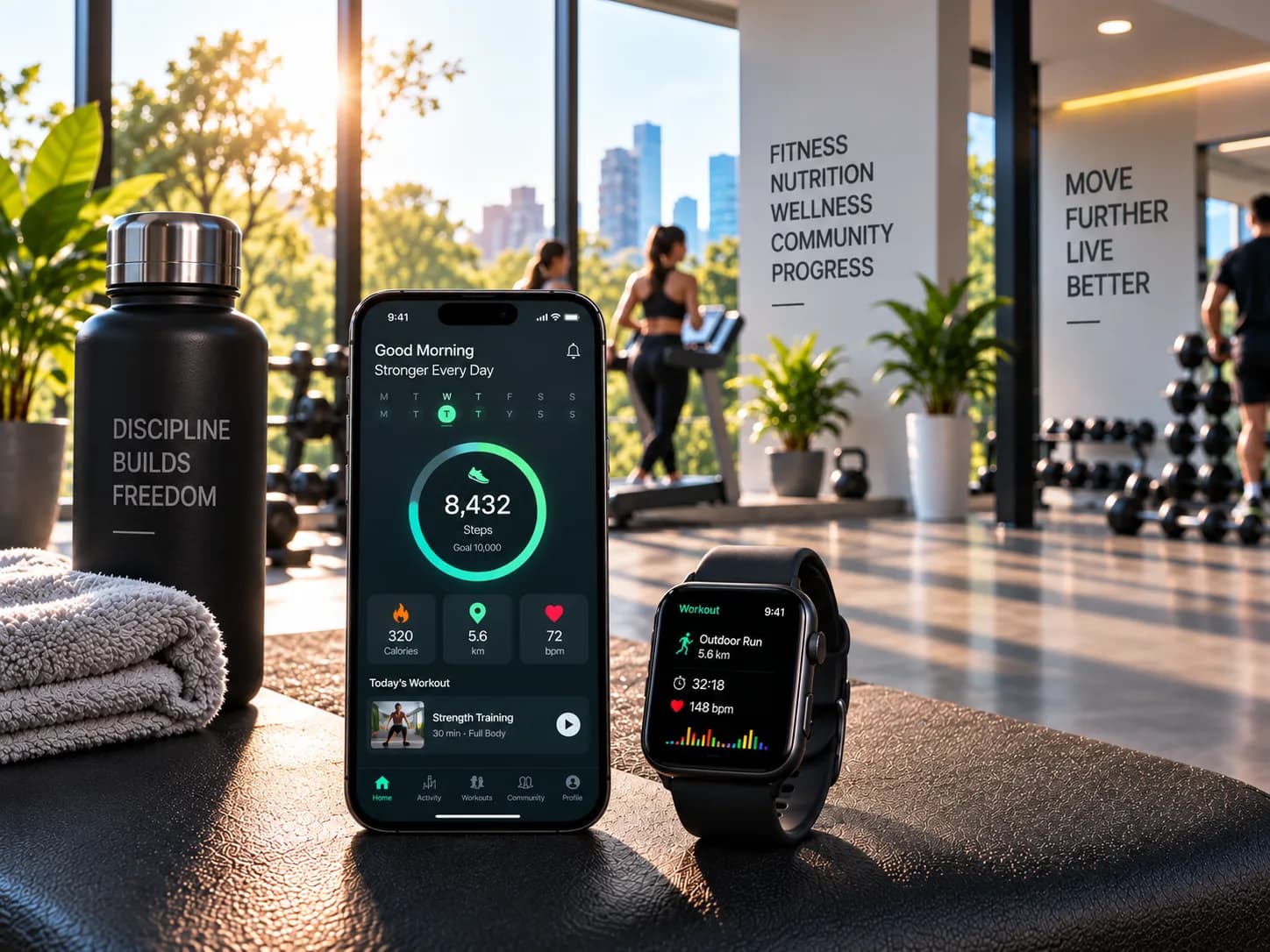
Fitness
Digital products designed to turn engagement into progress.
We create fitness platforms supporting member experiences, scheduling, subscriptions, progress tracking, coaching workflows, administration, and integrations, with usability and continued engagement at the centre.
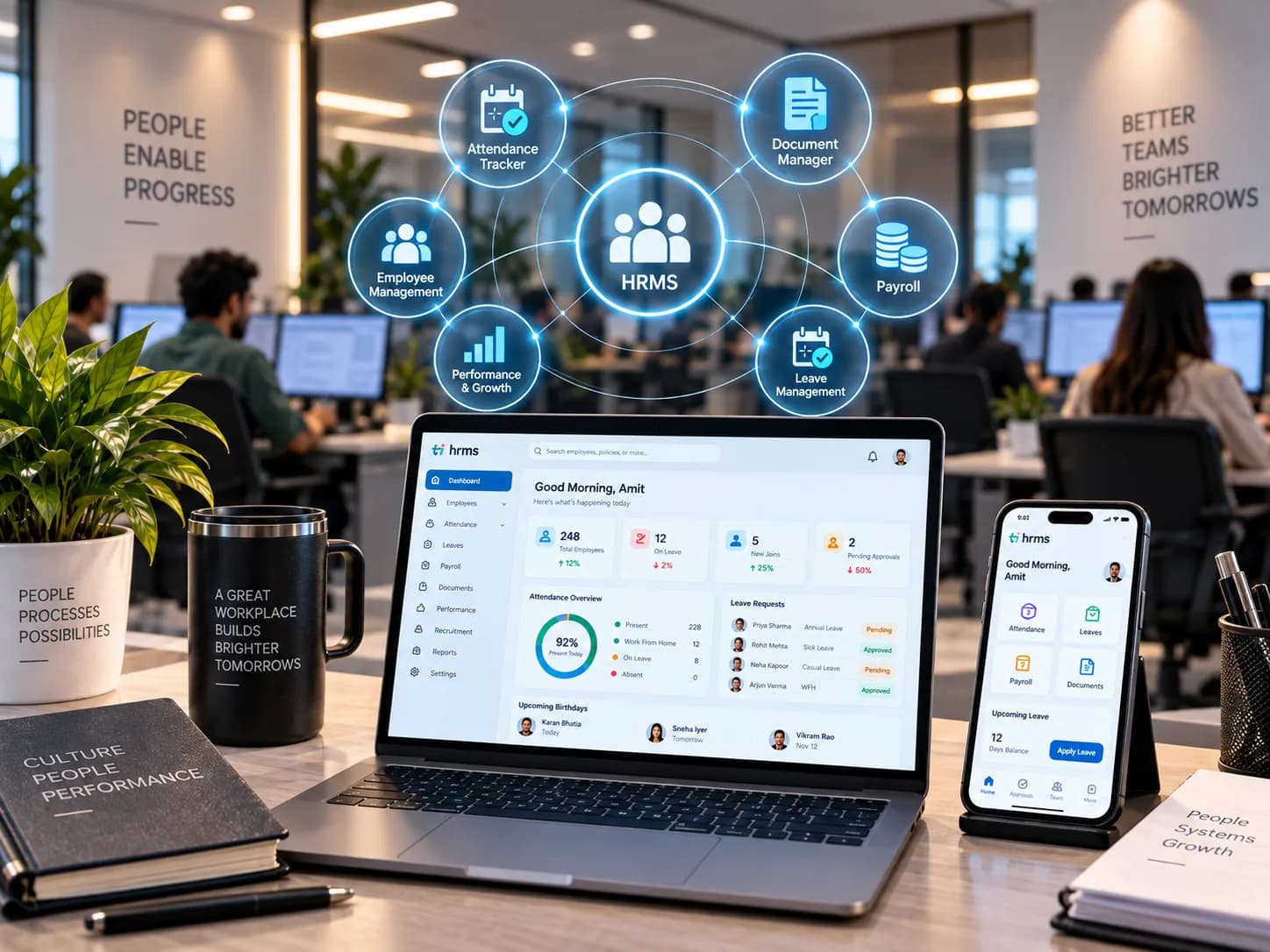
HRMS
Workforce systems built around how organisations actually operate.
We build and improve workforce platforms spanning recruitment, onboarding, employee management, attendance, operational workflows, reporting, and integrations, reducing friction across the employee lifecycle.
Why CipherCru
Different where it actually changes the outcome.
Most software firms can build what is asked for. The difference is in how the problem is understood, what gets challenged before development begins, and whether the technology decision still makes sense for the business six months later.
01 / 05
Context
Business before technology
We begin with the business outcome, the operating reality and the reason for change, before discussing architecture, frameworks or implementation.
02 / 05
Diagnosis
Diagnosis before prescription
We investigate the underlying constraint before accepting the proposed solution, because building the wrong thing well is still the wrong outcome.
03 / 05
Reuse
Reuse what works
We preserve useful systems, integrations and operational knowledge instead of rebuilding because starting again is easier for the delivery team.
04 / 05
Measure
Choose the right level of complexity
We match architecture and engineering effort to the scale, risk and requirements the business actually has, not to theoretical complexity.
05 / 05
Continuity
Protect the business you have while planning the one you want
We plan modernization around operational continuity, staged migration and reversibility, so progress does not destabilize the business already running.
How every engagement runs
The same five stages whichever practice does the work.
Diagnose
What the business needs, what constrains it, and what already exists.
Decide
Options with trade-offs, and a written recommendation. Sometimes it is to stop.
Prove
The riskiest assumption tested in production, on real data.
Deliver
Built in slices, each one live and usable, documented as we go.
Hand over
Your team runs it with us watching, then without us.
Work we have written up
Engagements where the decision mattered as much as the delivery.

Retiring a mainframe without a big-bang cutover
Brindley Water
Read the case study


What stood out about CipherCru was their ability to understand both the business objective and the technology behind it. They did not simply execute requirements; they challenged assumptions, identified better approaches, and helped translate our vision into a practical technology solution. Their communication, technical depth, and focus on long-term maintainability made them a valuable partner for our business.
Questions about our services
The ones we are asked most often before a first conversation.
How do I know which service I need?
Do you take on small projects?
Will you work on a codebase someone else wrote?
Can you work to a fixed scope and price?
Where is your team based?
What does the first month look like?
Not sure which of these you need?
That is a reasonable place to start. Tell us the problem and we will tell you which practice it belongs to, or whether it belongs to none of them.