

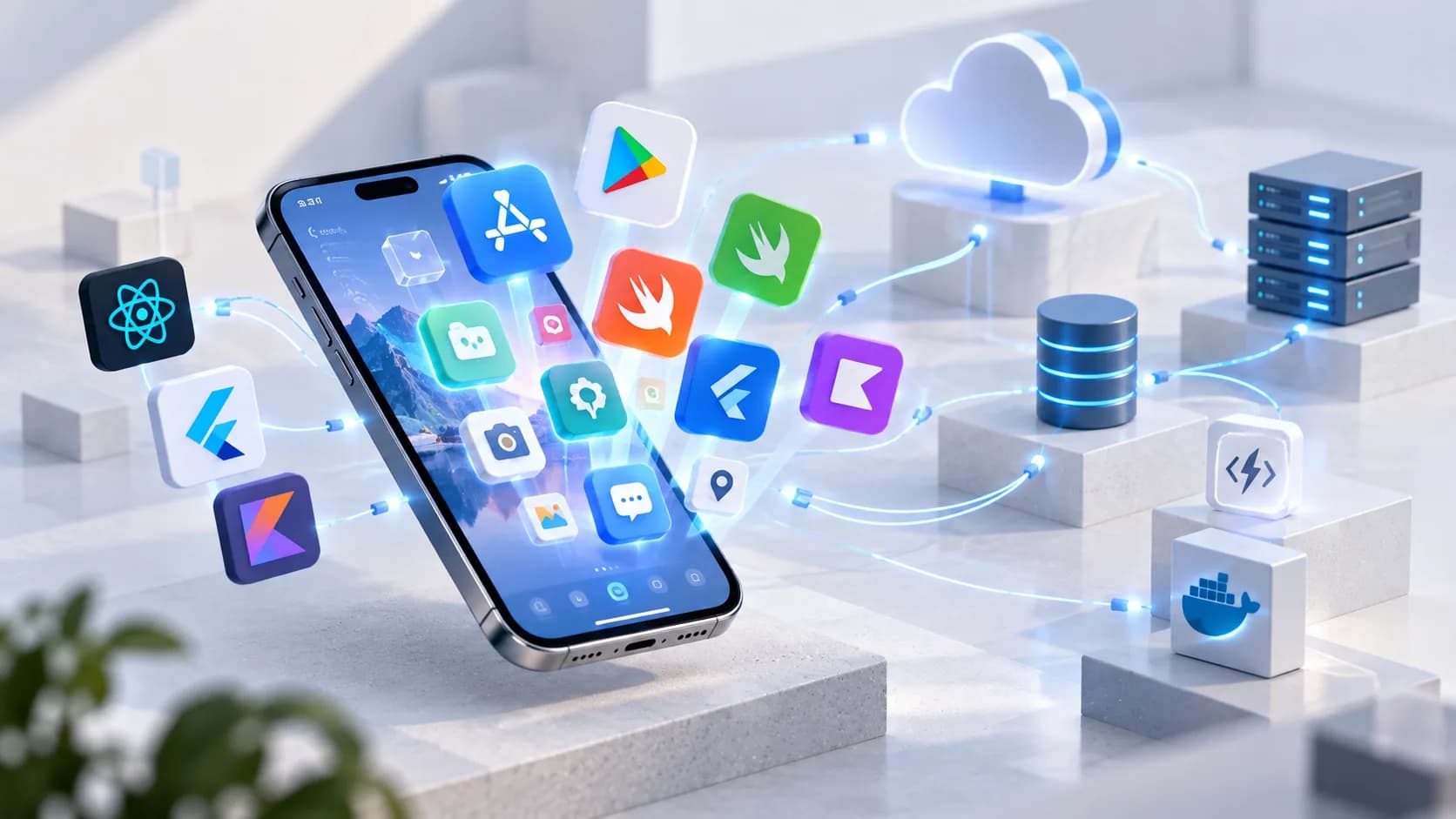
Mobile App Development Services
Applications that keep working when the network does not. We build for the phone in someone's hand on a job, not the one the spec was written on.
- Typical duration
- Four to twelve months
- Team shape
- Two to five senior engineers
- Starts with
- A three-week diagnostic
Built for the worst signal, not the best
A mobile app is judged in a lift, on a site, and on a three-year-old handset. Not in the demo.
Almost every mobile failure we are called in to fix was decided long before the code. The offline behaviour was left until last, so it was never really designed. The two platforms were treated as one project and quietly became two. The store accounts were opened by whoever was in the room that day. None of these are hard problems on their own, and all of them are expensive once an app is live and a release is blocked.
Where mobile projects come unstuck
The apps we are called in to rescue rarely failed on the phone.
What we are usually called in to fix
- An app that works on the office wifi and nowhere else
- Two codebases that were one project and have quietly drifted apart
- A release nobody can ship without the agency that built it
- Sync that loses a field engineer's afternoon when the van moves
- Store accounts registered to a person who has since left
How we work instead
- Design the offline behaviour before the online screens
- Test on real handsets and real networks from the first week
- Put your name on the store accounts and signing keys at the start
- Keep one backend contract, whatever the two platforms do
- Ship to a closed track early, so a release stops being an event
What we build
Eight kinds of mobile engagement. Most clients need two or three of them, and the first conversation is usually about which.
What that involves
The engineering behind a mobile release, including the parts that only surface after launch.
Native engineering
Swift and Kotlin written to each platform's conventions, not translated between them.
Offline and sync
Conflict rules agreed up front, so a lost connection never costs a day's work.
Mobile backends
One API both platforms share, versioned so installs from last year keep working.
Release engineering
Signed builds, staged rollouts and store submissions your own team can run.
Performance and battery
Measured on the handsets your users carry, not the newest one we own.
Device security
Secrets kept off the device, sessions that expire, and data you can revoke.
What we build with
Chosen for what the app has to do without a network, and for who has to release it afterwards.
- Swift
- SwiftUI
- UIKit
- Combine
- XCTest
- Kotlin
- Jetpack Compose
- Coroutines
- Room
- Gradle
- Node.js
- Java
- Spring Boot
- Python
- GraphQL
- REST




- PostgreSQL
- MongoDB
- Redis
- Firebase
- SQLite




- Fastlane
- GitHub Actions
- Sentry
- Datadog


Where we have built this
Sectors where we have shipped production mobile apps and know the constraints before the first meeting.
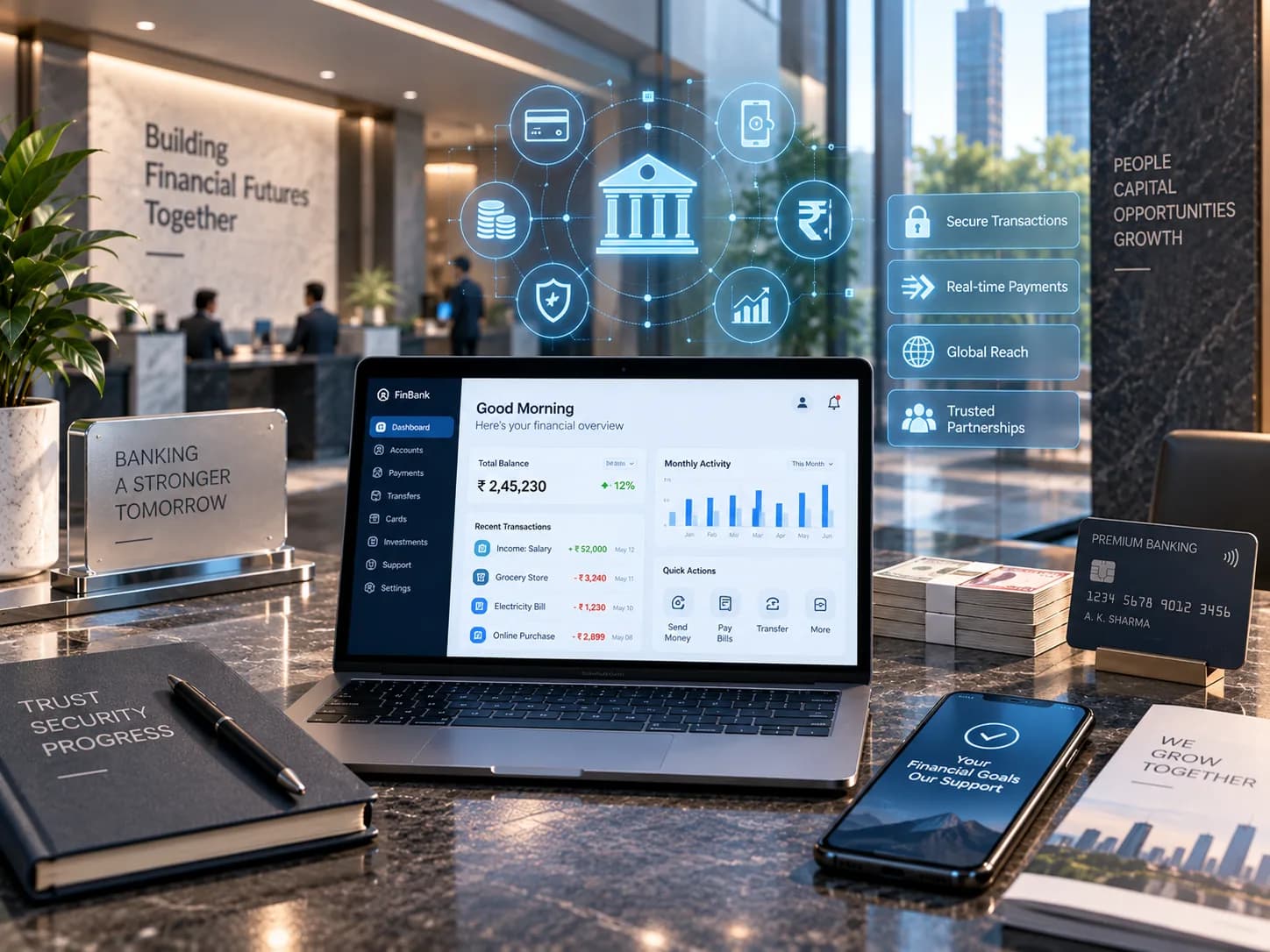
Fintech & BFSI
Secure, reliable systems for businesses built on trust.
We build and modernize financial platforms, workflows, integrations, and customer-facing applications where reliability, data integrity, auditability, security, and performance are fundamental to the business.
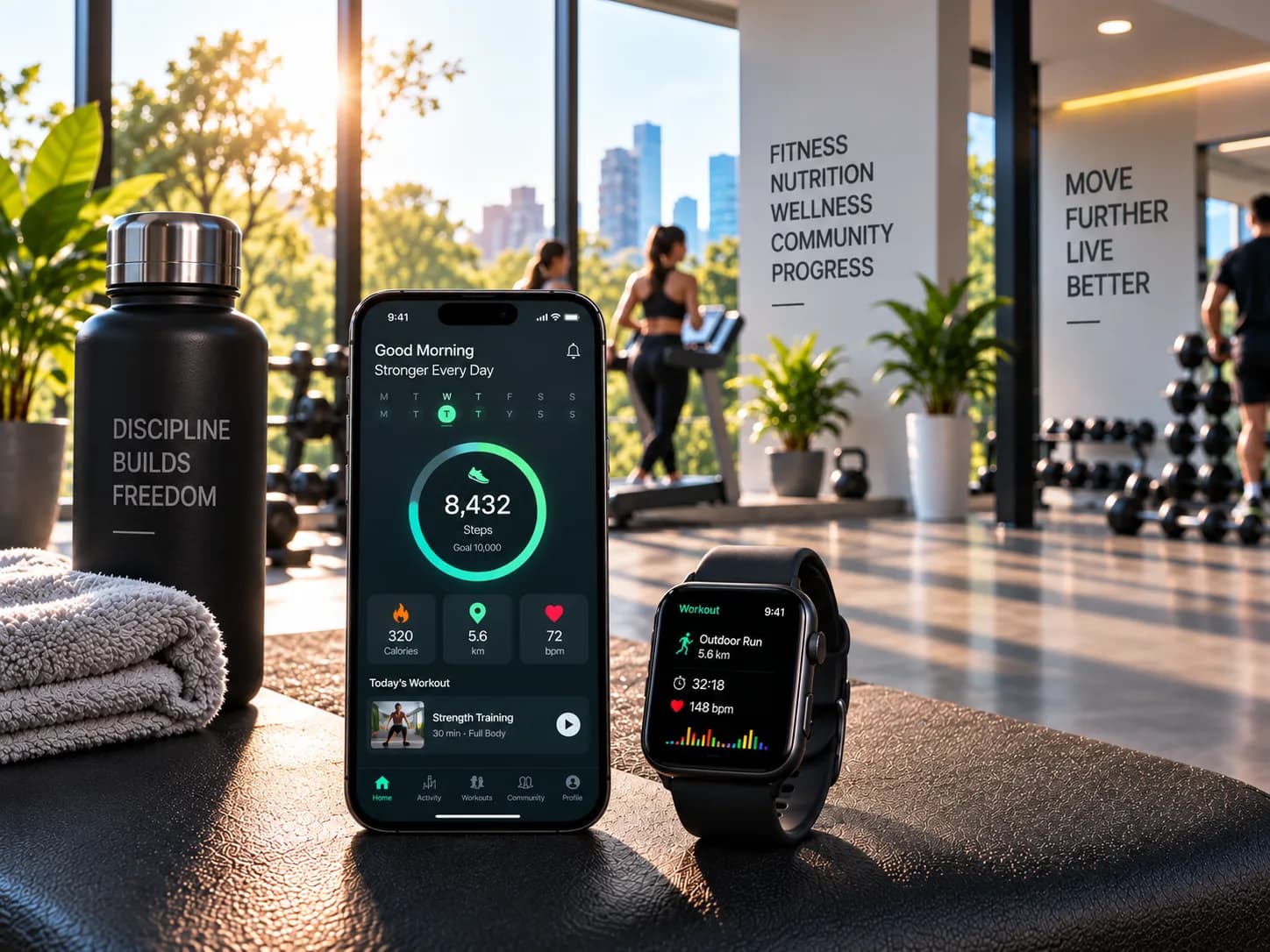
Fitness
Digital products designed to turn engagement into progress.
We create fitness platforms supporting member experiences, scheduling, subscriptions, progress tracking, coaching workflows, administration, and integrations, with usability and continued engagement at the centre.
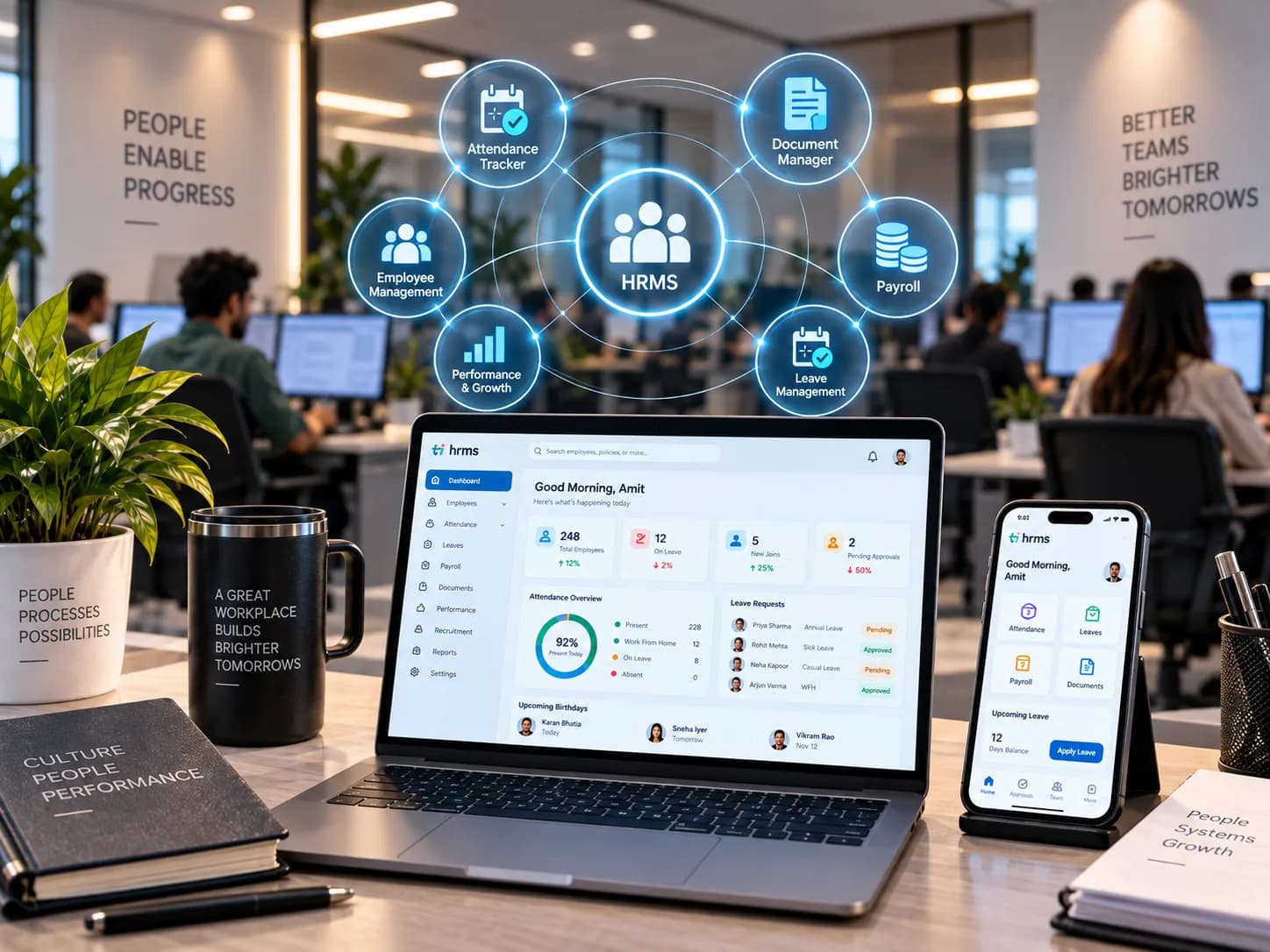
HRMS
Workforce systems built around how organisations actually operate.
We build and improve workforce platforms spanning recruitment, onboarding, employee management, attendance, operational workflows, reporting, and integrations, reducing friction across the employee lifecycle.
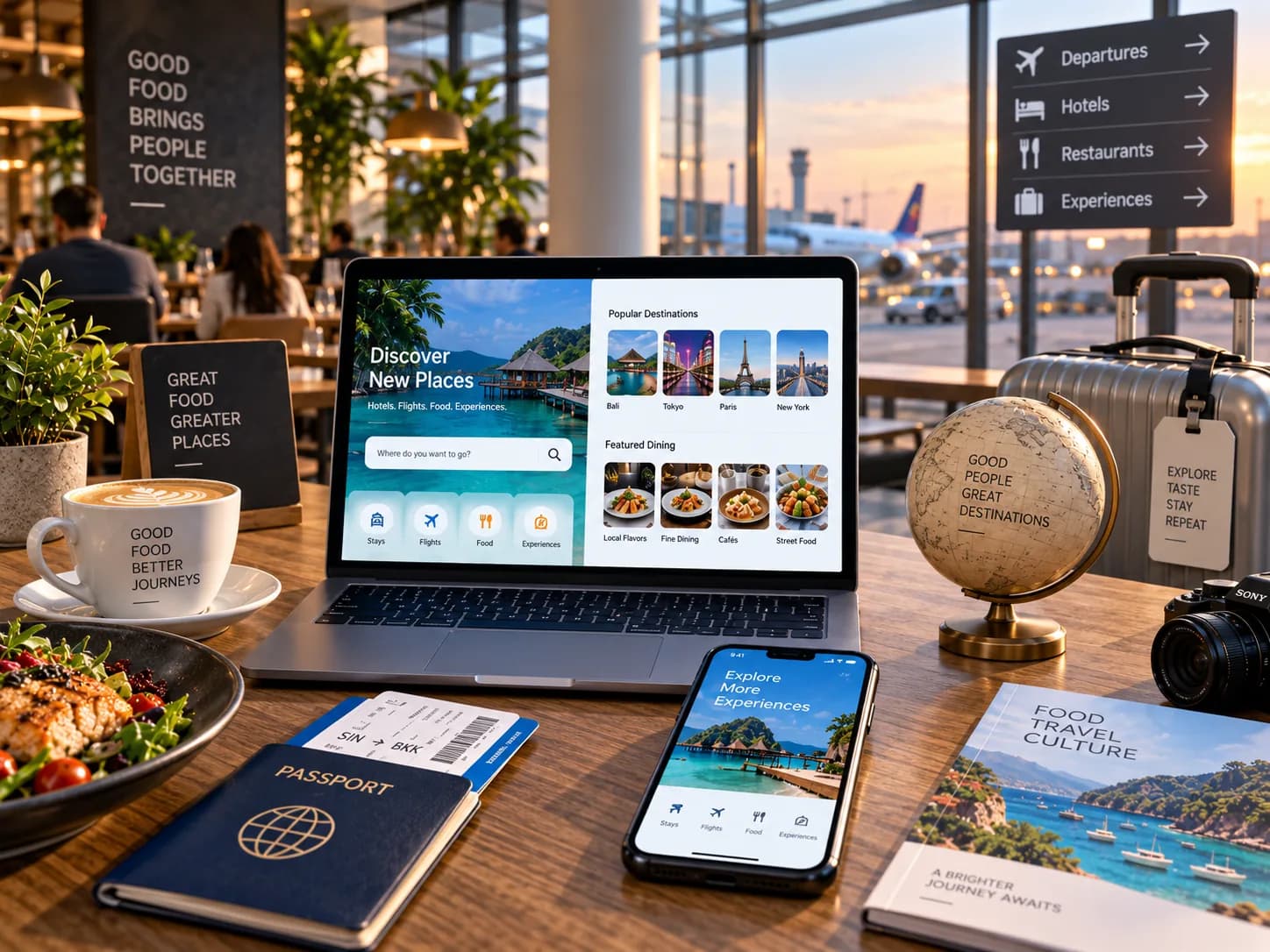
Food & Travel
Digital experiences that keep customers and operations moving.
We build customer journeys and operational platforms around ordering, booking, marketplaces, partner integrations, administration, and real-time workflows where experience and operational efficiency need to work together.
What you end up with
Stated from your side rather than ours.
Store accounts in your name
Apple and Google accounts, signing keys and certificates registered to you.
An app that works without signal
Offline behaviour designed first, so a dead zone is not a dead app.
One backend, not two
Both platforms read the same contract, so a change lands once.
A team that can ship the next release
Your engineers run a store submission with us watching before we leave.
How a mobile engagement runs
The same five stages whichever of the services above does the work.
Diagnose
Who opens the app, where they are standing, and what the network is doing.
Decide
Native or cross-platform, and what the app should not do. Sometimes it is a web page.
Prove
The riskiest journey built and tested on real handsets, on a real network.
Deliver
Built in slices, each one on a closed track your team can install.
Hand over
Your team runs it with us watching, then without us.
Related work
Mobile engagements where the decision mattered as much as the delivery.


Questions about mobile development
The ones we are asked most often before a first conversation.
Native or cross-platform, how do you decide?
Do we need separate teams for iOS and Android?
Who owns the App Store and Play accounts?
What happens when Apple or Google changes the rules?
Can you take over an app someone else built?
What happens after launch?
Have a mobile app to build or rescue?
Tell us where your users are standing when they open it. We will tell you how we would approach it.