

Flutter App Development
Flutter draws its own interface rather than borrowing the platform's. That is the whole trade: total control of how it looks, and the obligation to make every one of those choices yourself.
- Typical duration
- Four to eleven months
- Team shape
- Two to five senior engineers
- Starts with
- A design system review

Rendering its own interface is the feature and the cost
Because Flutter paints every pixel rather than wrapping platform controls, an interface looks the same on an old Android handset as on a current iPhone. For a product with a strong visual identity, or a design system that has to hold across mobile and web, that is worth a great deal.
It also means the platform's own accessibility behaviours, text scaling and system controls are things you have to deliberately honour rather than get for free. Done carelessly the result is an app that looks superb and feels foreign to everyone. We treat platform conventions as design constraints from week one, which is why this engagement starts with the design system rather than with the architecture.
What usually goes wrong, and what we do instead
Flutter's failure mode is not performance. It is an app that ignores the platform it is on.
Where Flutter projects go wrong
- One visual language imposed on both platforms with no concession to either
- Dynamic type and text scaling ignored, so large-text users get clipped layouts
- Screen-reader support assumed rather than built and tested
- A plugin abandoned upstream and holding back every framework upgrade
- The web build promised, then discovered to be a different product
How we build it instead
- Platform conventions honoured deliberately: navigation, back, and controls
- Text scaling and layout reflow treated as a design constraint from week one
- Semantics and screen-reader paths built and tested, not assumed
- Every plugin assessed for maintenance before it is adopted
- The web target scoped honestly, or ruled out early
What we build
The parts of a Flutter app that decide whether it feels native despite not being.
Design systems in Flutter
A component set and tokens that hold across platforms, with the platform concessions made explicitly.
State and architecture
A state approach chosen for the app's actual complexity rather than for what is currently fashionable.
Plugins and platform channels
Native capability reached through maintained plugins, or through channels we write and own.
Offline and sync
A defined answer for no signal and a conflict rule per data type, implemented once for every target.
Accessibility and scaling
Semantics, focus order and text scaling built in, because Flutter does not inherit them from the platform.
Frame budgets
Jank measured on the slowest supported device and treated as a budget rather than a polish item.
What you end up with
Stated from your side rather than ours.
An identity that holds everywhere
The product looks the way you designed it on every device, rather than being reinterpreted by two platforms.
One team rather than two
A feature is designed once, built once and tested once, and the design system is a single implementation.
Accessibility that was built, not assumed
Semantics and text scaling are tested rather than inherited, which is the failure mode this framework invites.
A plugin list you can defend
Every dependency assessed before adoption, so an abandoned package does not become the thing blocking upgrades.
How the build runs
The same five stages as every engagement, applied to a Flutter app.
Diagnose
How strong the visual identity has to be, which targets matter, and what the app must reach on the device.
Decide
The design system, the platform concessions and the state approach, written down with what each one costs.
Prove
One workflow shipped to both test tracks, tested at the largest text size and with a screen reader.
Deliver
Features built in slices, each released to both platforms before the next is scoped.
Hand over
Your team ships a release to both stores with us watching, then without us.
What we build it with
Chosen for what an app has to survive when it draws its own interface.
Application
- Flutter
- Dart
- Riverpod
- go_router

Data on device
- SQLite
- Drift
- Isar
- Firebase

Services
- Node.js
- GraphQL
- PostgreSQL
- Google Cloud


Delivery
- GitHub Actions
- Gradle
- TestFlight
- Sentry


What you get, and when
Handed over as it is produced, not assembled at the end.
- The design system and its component set, with tokens
- The platform concessions, decided and written down
- A plugin assessment covering maintenance risk
- Source in repositories you own
- One pipeline producing artefacts for every target
- Platform channels documented and tested like the rest of the code
- Layouts checked at the largest supported text size
- Screen-reader paths for the main flows, on both platforms
- Frame-time dashboards from the slowest supported device
The rest of our cross-platform work
Shared-codebase engagements overlap more than most. These are the neighbouring ones.
Where we have built this
Sectors where the product's identity has to survive every screen it appears on.

Food & Travel
Digital experiences that keep customers and operations moving.
We build customer journeys and operational platforms around ordering, booking, marketplaces, partner integrations, administration, and real-time workflows where experience and operational efficiency need to work together.
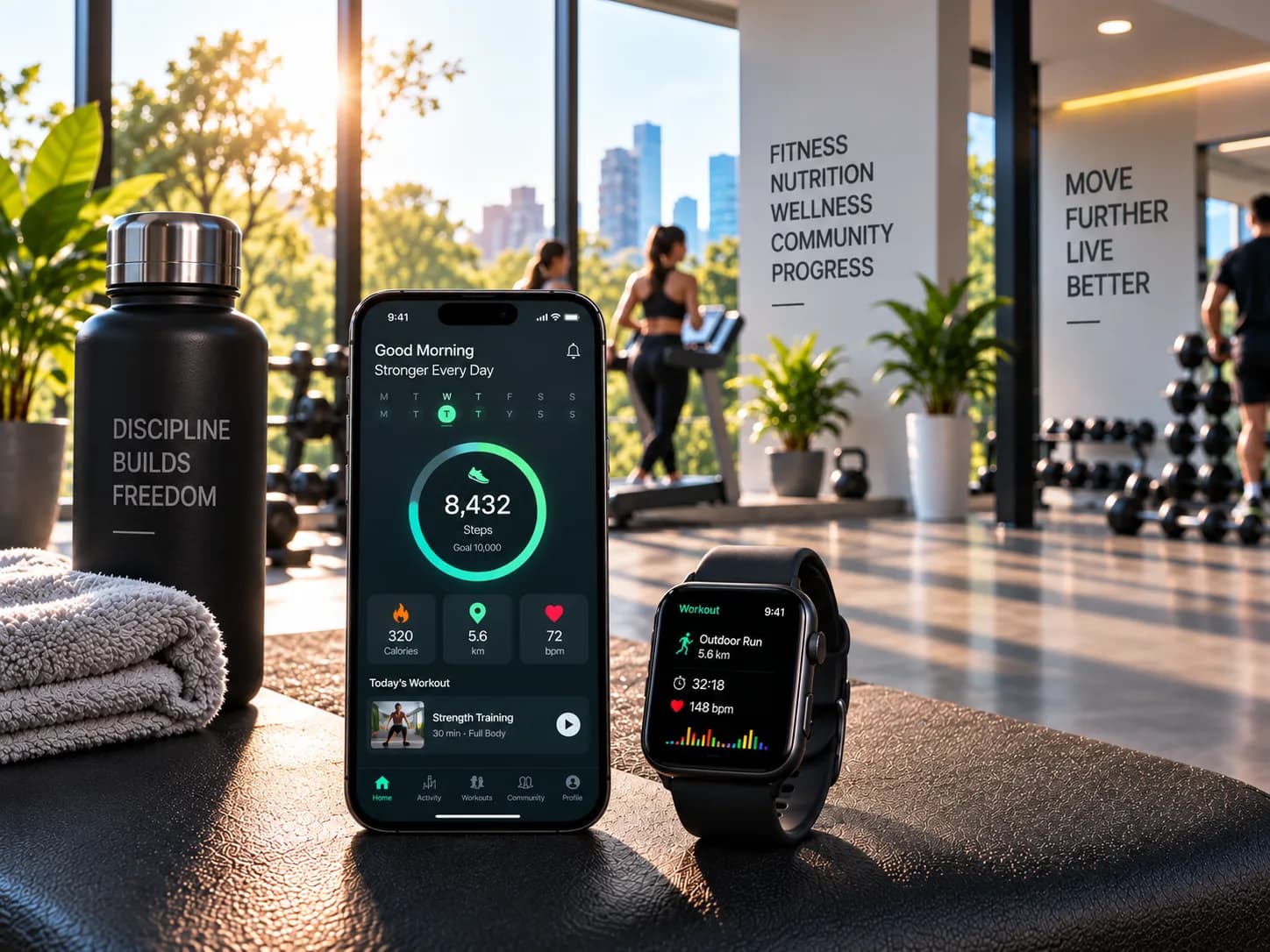
Fitness
Digital products designed to turn engagement into progress.
We create fitness platforms supporting member experiences, scheduling, subscriptions, progress tracking, coaching workflows, administration, and integrations, with usability and continued engagement at the centre.
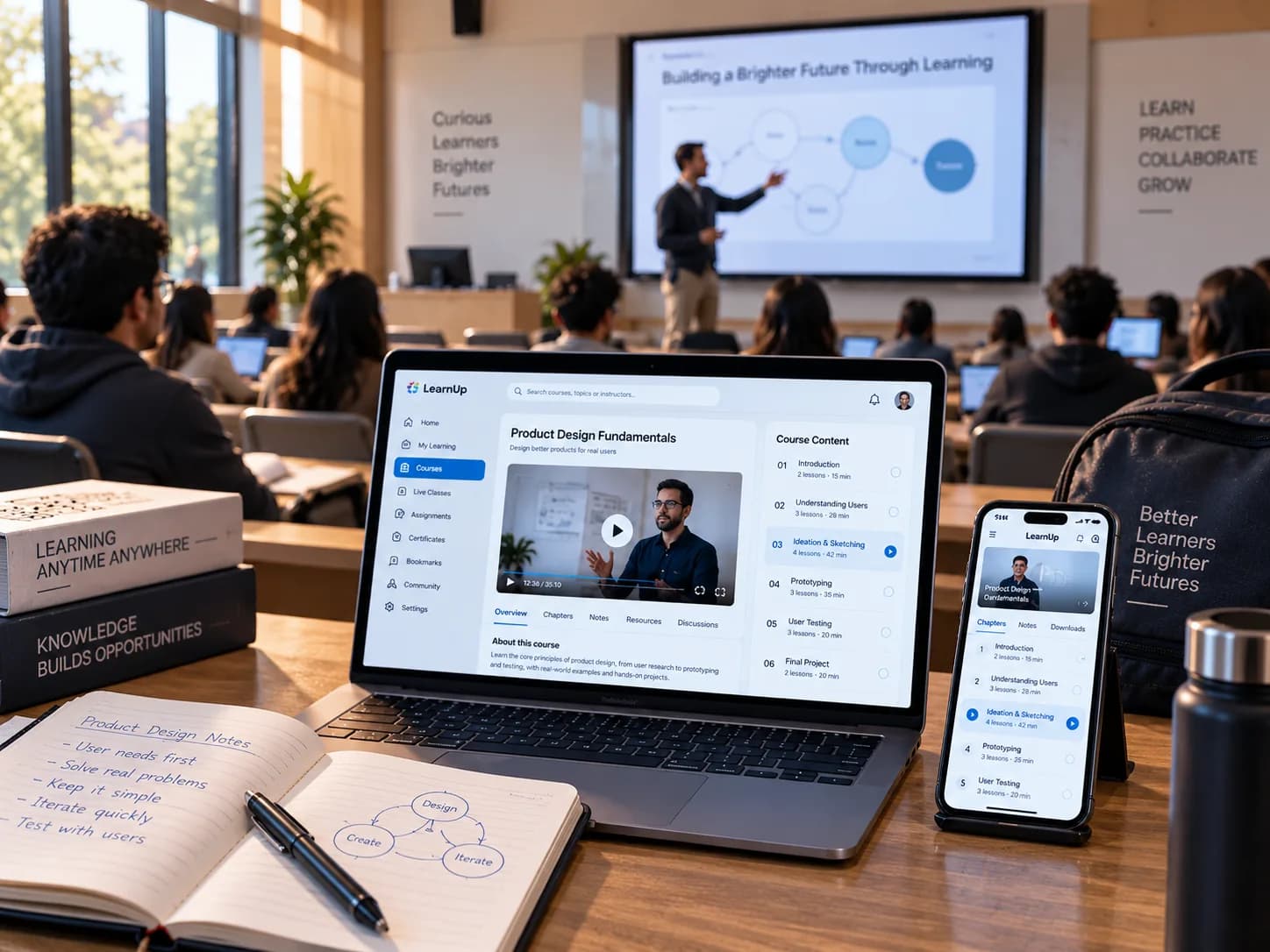
EdTech & eLearning
Learning platforms designed around engagement and scale.
From learner journeys and course delivery to assessments, administration, analytics, and integrations, we develop education platforms that make learning experiences easier to operate, evolve, and scale.

Fintech & BFSI
Secure, reliable systems for businesses built on trust.
We build and modernize financial platforms, workflows, integrations, and customer-facing applications where reliability, data integrity, auditability, security, and performance are fundamental to the business.
Related work
Engagements where one interface had to hold across every device.


Questions about Flutter
The ones we are asked most often before a first conversation.
Why Flutter rather than React Native?
Nobody on our team writes Dart. Is that a problem?
Will it feel like a real iOS or Android app?
Can we get a web app from the same code?
What if a plugin we need is abandoned?
Is it fast enough?
Product whose identity has to hold everywhere?
Tell us where it has to run and how strong the visual identity is. We will tell you whether Flutter is the right fit.