

SaaS Web App Development
The parts of a SaaS product that do not demo well but decide whether it can be sold: tenancy, roles, billing and an audit trail.
- Typical duration
- Eight to fourteen months
- Team shape
- Three to five senior engineers
- Starts with
- A three-week diagnostic
The features that decide whether you can sell it
A SaaS product usually fails its first enterprise procurement review on the surfaces nobody prioritised: who can see what, who changed it, and how the invoice was calculated.
Nobody builds a product for its permissions matrix. The features that win a demo are the ones a founding team can picture, and tenancy, roles, billing and audit get deferred because no customer has asked for them yet. Then one does, and it does not arrive as a feature request: it arrives as a security questionnaire with a signature waiting behind it. Retrofitting isolation into a data model that quietly assumed one customer is the most expensive work in SaaS, and it lands at exactly the moment the business can least afford to stop shipping. So we put it in the first migration, when it costs a schema decision rather than a rewrite.
What usually goes wrong, and what we do instead
The pattern is consistent enough that we now design for it from the first sprint.
Where SaaS builds get stuck
- Tenancy bolted on after launch, so isolation cannot be proven
- Roles that fit the founding team and nobody else
- Billing logic spread across three services and a spreadsheet
- No audit trail, discovered during a security questionnaire
- A single-tenant assumption buried in the data model
How we build it instead
- Tenancy in the data model from the first migration
- Roles and permissions modelled before the first admin screen
- One service that owns billing, with everything else reading from it
- Every write attributable and exportable, from the start
- A security questionnaire answered before it is asked
What we build
The surfaces a SaaS product needs before it can be sold upmarket.
Multi-tenancy
Isolation you can demonstrate to a security reviewer, not just assert.
Roles and permissions
Configurable per tenant, so one customer's structure does not become everyone's.
Billing and metering
Usage that reconciles with the invoice, and an invoice you can explain.
Audit trail
Every write attributable, queryable and exportable.
Admin and reporting
The console your own team uses to support customers without a database client.
Onboarding and provisioning
A new tenant created without an engineer in the loop.
What you end up with
Stated from your side rather than ours.
A product that passes procurement
The access, audit and isolation questions answered before they are asked.
Support without engineering
Your support team resolves tenant issues from an admin console, not a ticket to us.
Billing you can defend
Every line on an invoice traces back to a metered event.
A codebase your team can extend
Documented decisions, tested paths, and infrastructure in accounts you own.
How the build runs
The same five stages as every engagement, applied to a SaaS product.
Diagnose
Who the buyer is, what procurement will ask, and what the data model has to carry.
Decide
Tenancy model, permission model and billing approach, written down with the trade-offs.
Prove
One tenant, one role, one metered event, end to end in production.
Deliver
Surfaces built in slices, each live before the next is scoped.
Hand over
Your team runs it with us watching, then without us.
What we build it with
Chosen for what a multi-tenant product has to prove, not for novelty.
Interface
- TypeScript
- React
- Next.js
- Tailwind CSS




Services
- Node.js
- Spring Boot
- GraphQL
- REST
- Temporal


Data
- PostgreSQL
- Row-level security
- Redis
- Prisma
- Supabase




Platform
- AWS
- Terraform
- Docker
- Kubernetes
- GitHub Actions


What you get, and when
Handed over as it is produced, not assembled at the end.
- A tenancy and permission model, written down
- A billing approach with its trade-offs
- A procurement readiness assessment
- Source in repositories you own
- Infrastructure as code, in your accounts
- A tested rollback path per release
- Audit trail schema and retention policy
- Isolation test results
- A completed security questionnaire template
The rest of our web work
Most web engagements touch two or three of these. If you are not sure which, the consultation is the way in.
Where we have built this
Sectors where we have shipped multi-tenant products into procurement review.
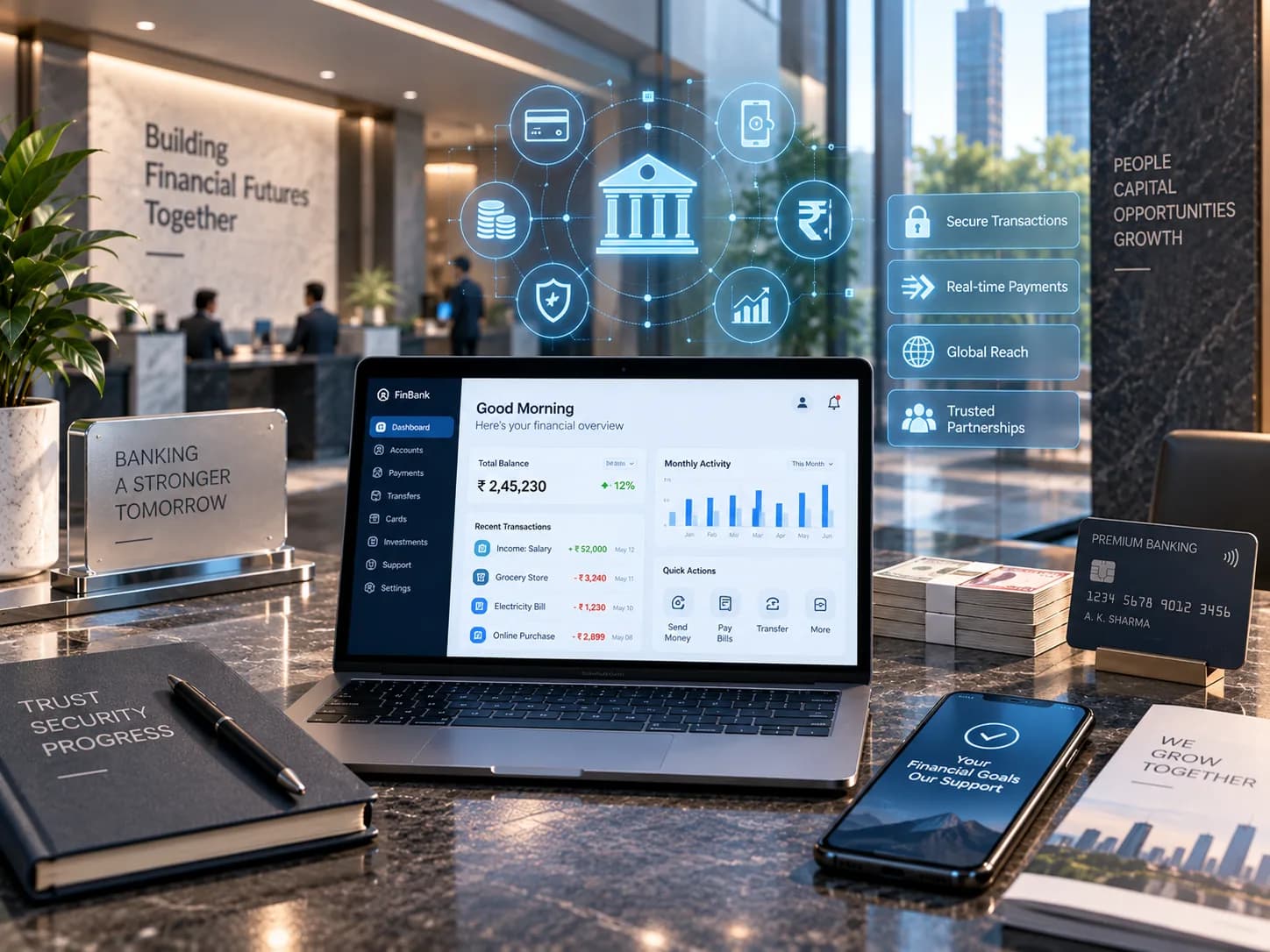
Fintech & BFSI
Secure, reliable systems for businesses built on trust.
We build and modernize financial platforms, workflows, integrations, and customer-facing applications where reliability, data integrity, auditability, security, and performance are fundamental to the business.
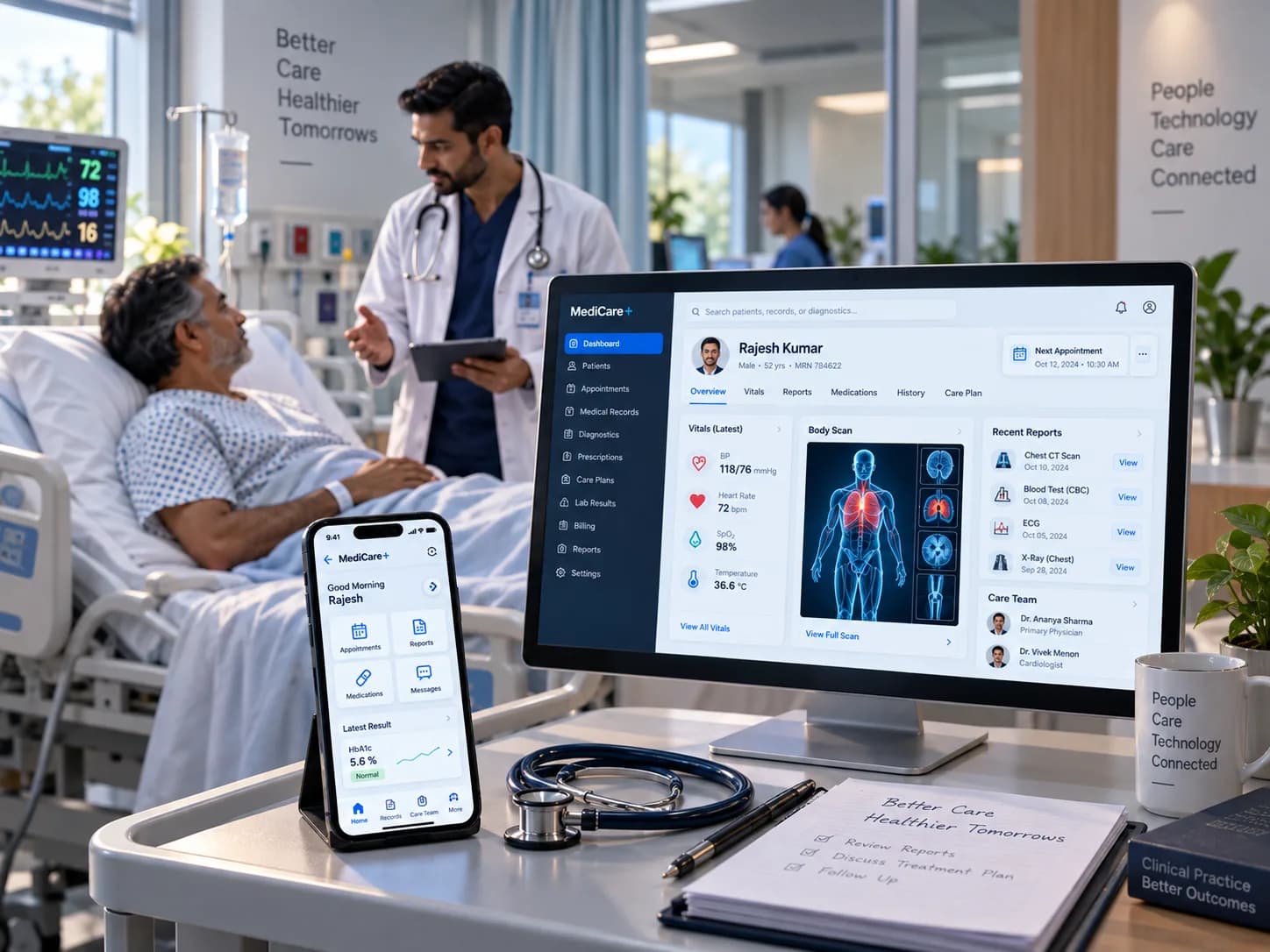
Healthcare
Technology that connects complex care and operational workflows.
We help build digital healthcare platforms, operational workflows, integrations, and data-driven applications designed around reliability, secure information handling, usability, and the realities of interconnected healthcare systems.
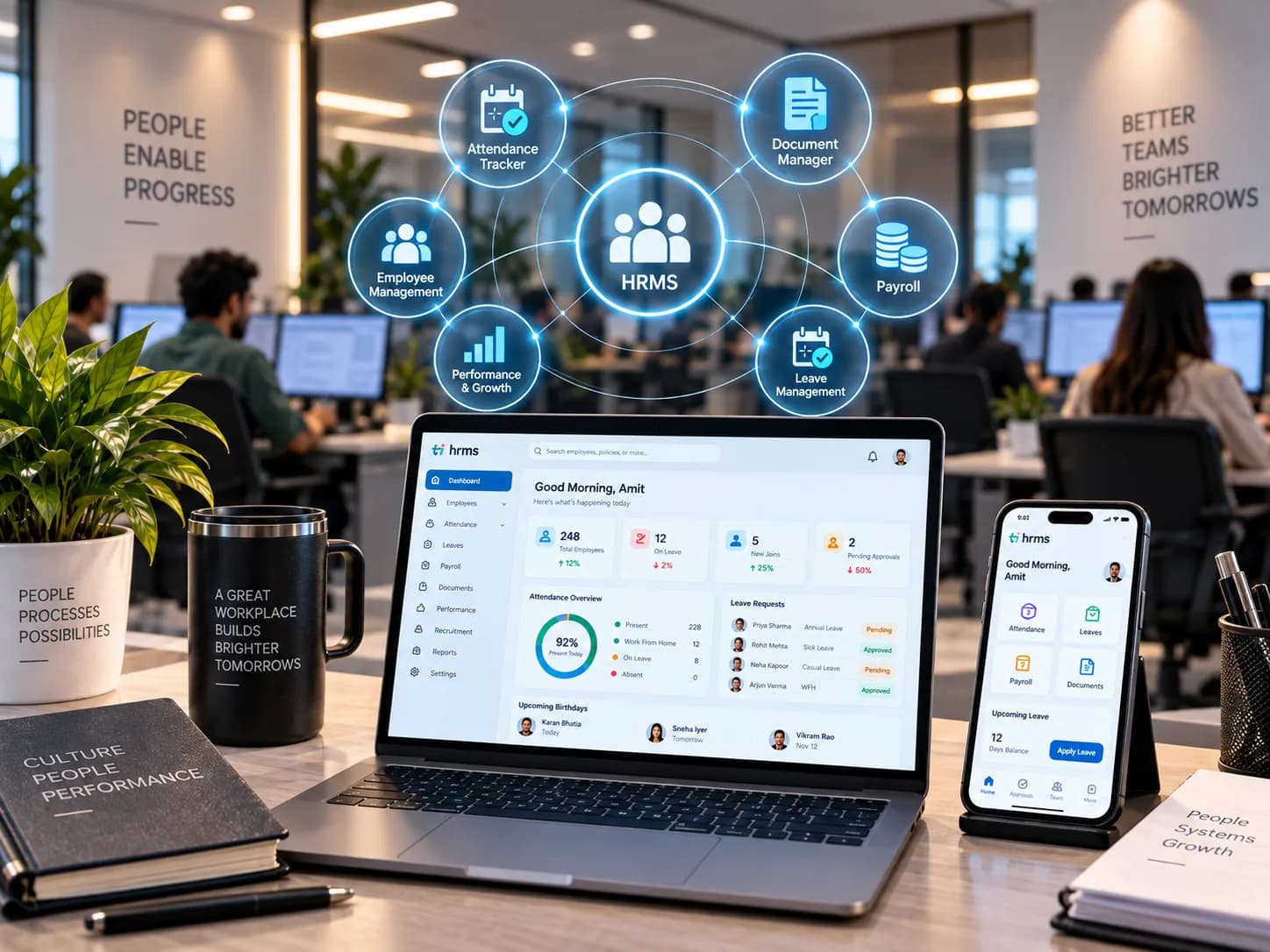
HRMS
Workforce systems built around how organisations actually operate.
We build and improve workforce platforms spanning recruitment, onboarding, employee management, attendance, operational workflows, reporting, and integrations, reducing friction across the employee lifecycle.
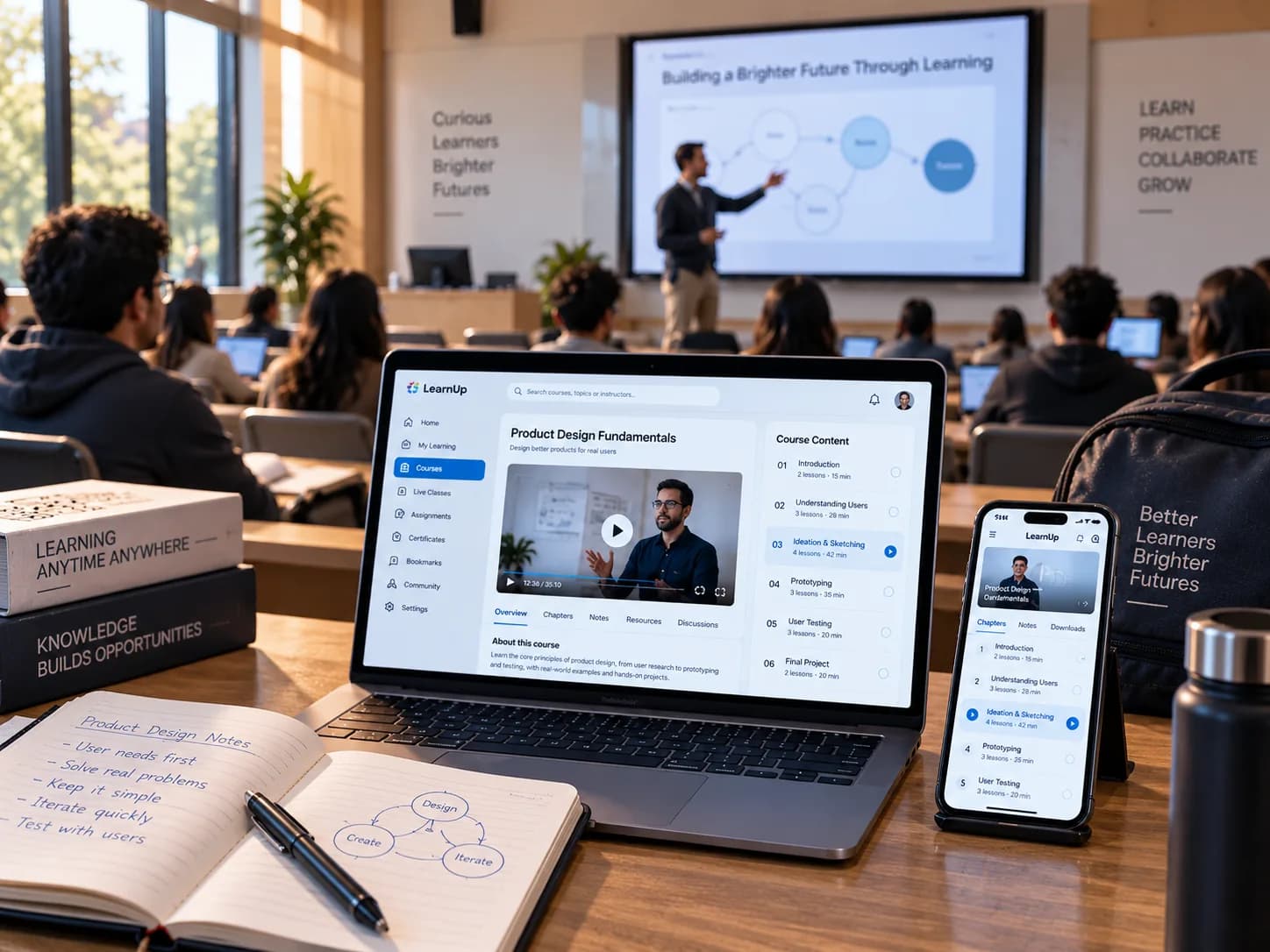
EdTech & eLearning
Learning platforms designed around engagement and scale.
From learner journeys and course delivery to assessments, administration, analytics, and integrations, we develop education platforms that make learning experiences easier to operate, evolve, and scale.
Related work
Engagements where the decision mattered as much as the delivery.


Questions about SaaS builds
The ones we are asked most often before a first conversation.
We already have a product. Can you retrofit tenancy?
Do you build billing or integrate a provider?
Can you get us through SOC 2 or ISO 27001?
How many tenants can this handle?
Some customers want single-tenant. Is that possible?
What happens after launch?
Building a SaaS product that has to sell upmarket?
Tell us who the buyer is and what procurement will ask. We will tell you what has to be true before you get there.